
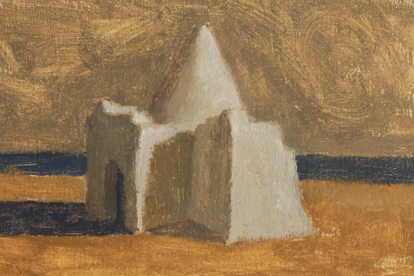
Lucas Rubly’s paintings always surprise the eye — they are true discoveries that encourage us to seek out the mysteries of painting and representation. Looking at one of his paintings is an act of admiration and inquiry: Where have I seen these landscapes before? And are these flowers natural or artificial, alive or dead? And do the abstractions represent something?
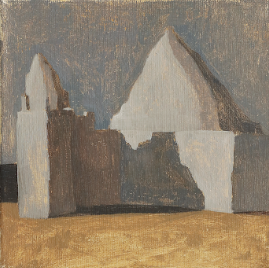
These aspects of Rubly’s works, technically produced through an intriguing mixture of oil paint and wax, lead to pictorial results in which we perceive both strangeness and fascination. In this regard, when announcing Rubly’s emergence in São Paulo, Antonio Gonçalves Filho wrote that the artist draws on metaphysics, particularly as explored by the Italian painter Giorgio Morandi.
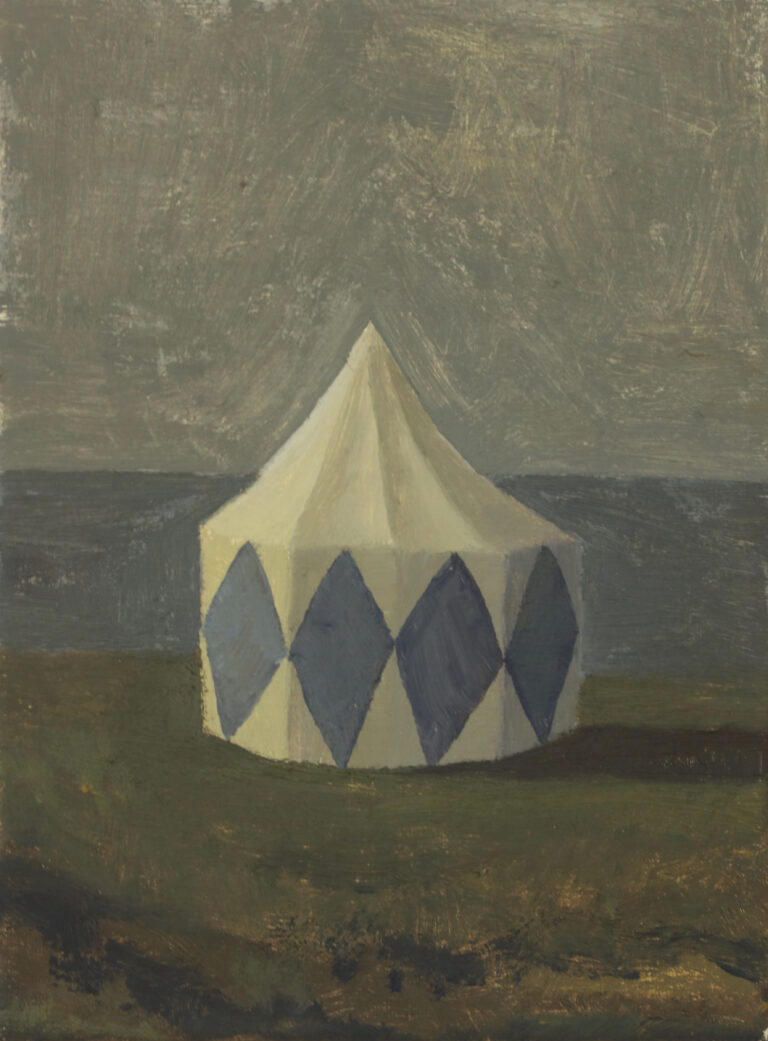
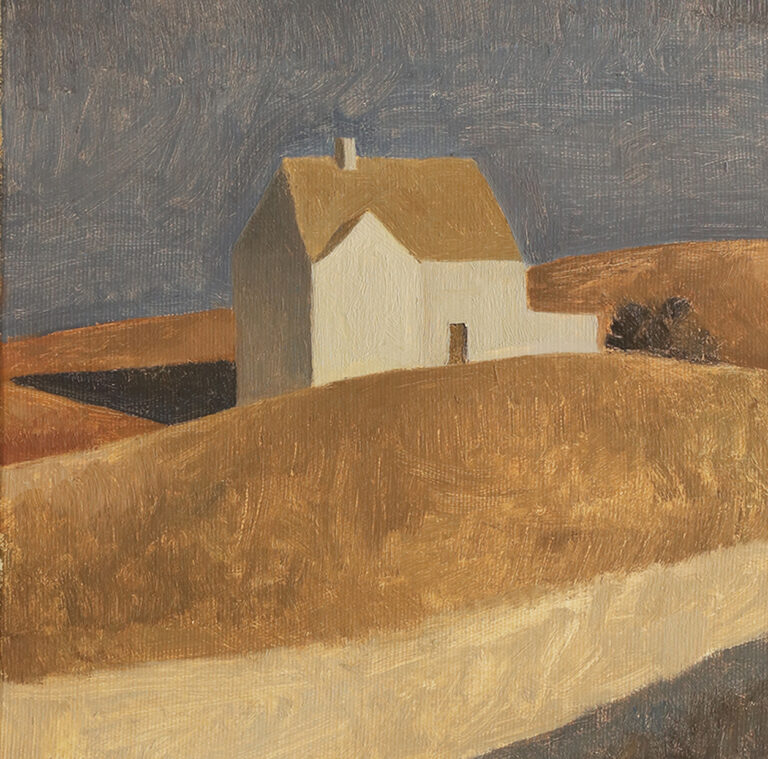
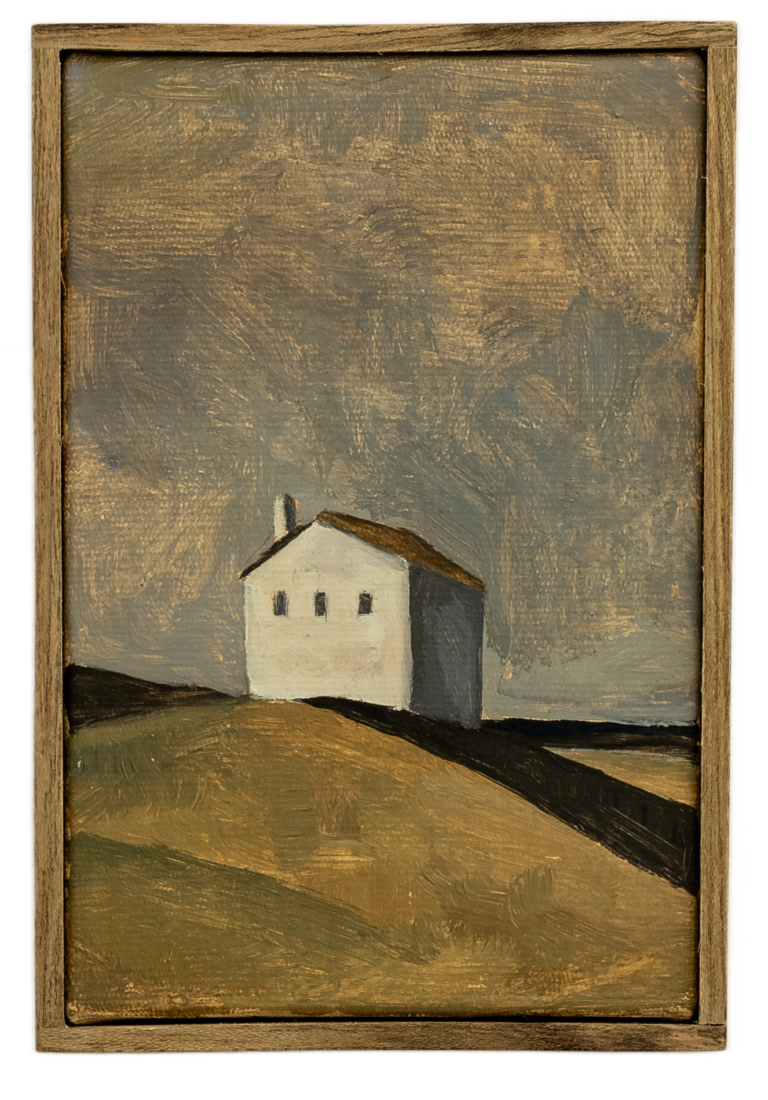
Lucas’s painted images thus tend toward realism; they seem to reproduce reality, but are in fact representations distorted by a subtle surrealist touch. This is a fundamental detail. An ethereal sense of emptiness pervades these paintings, which convey a feeling of solitude.
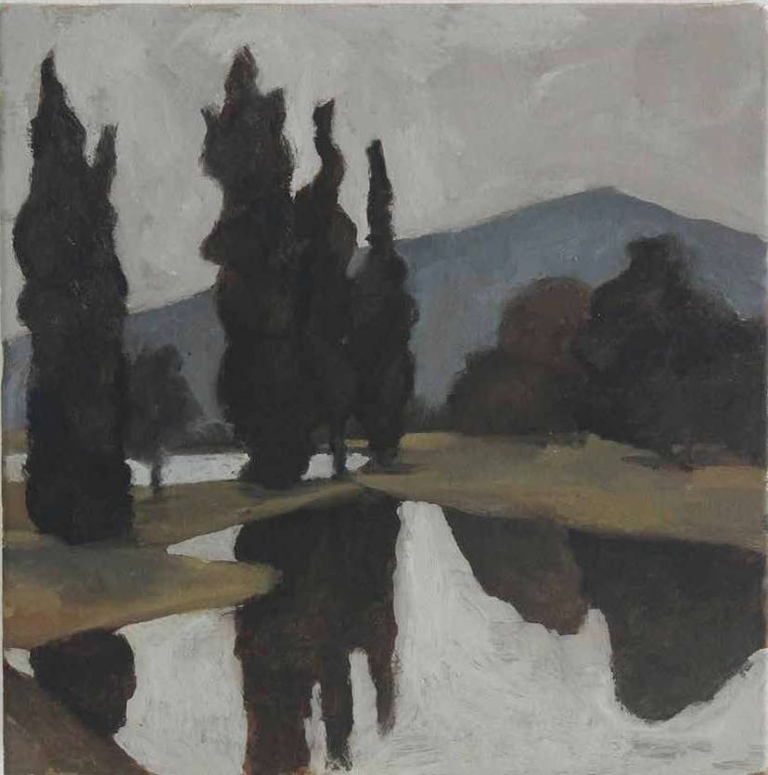
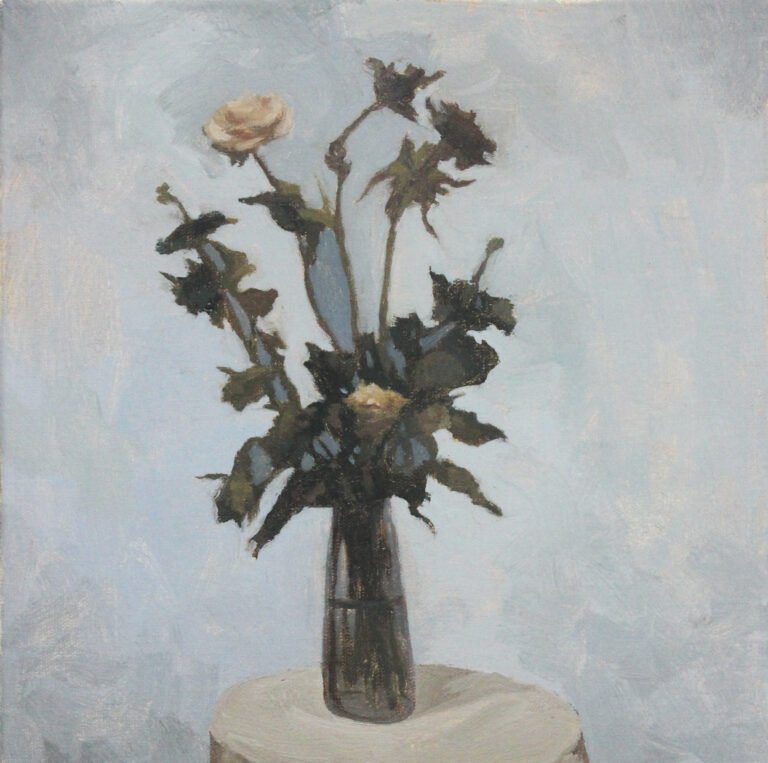
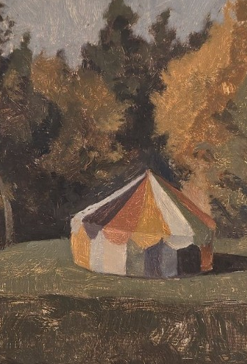
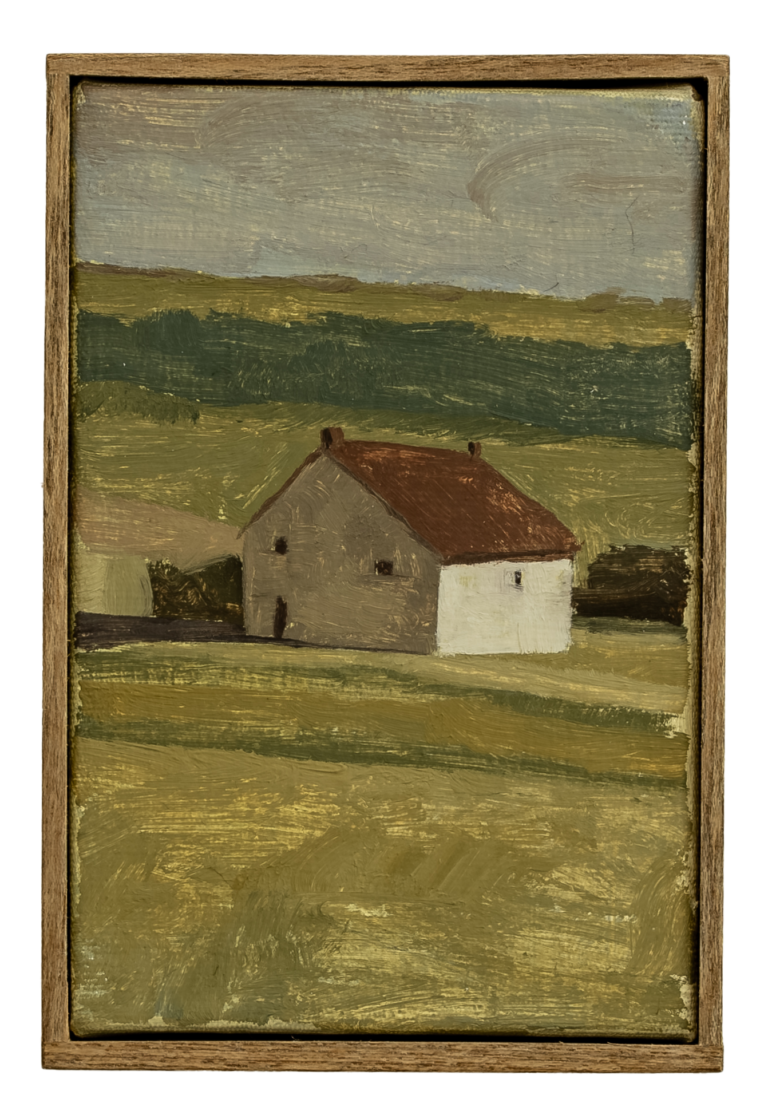
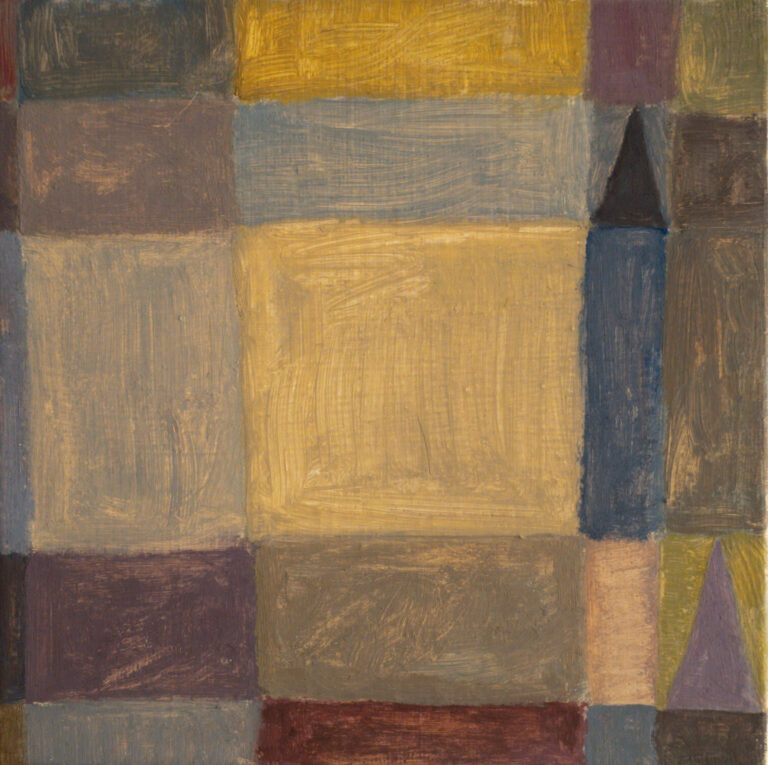
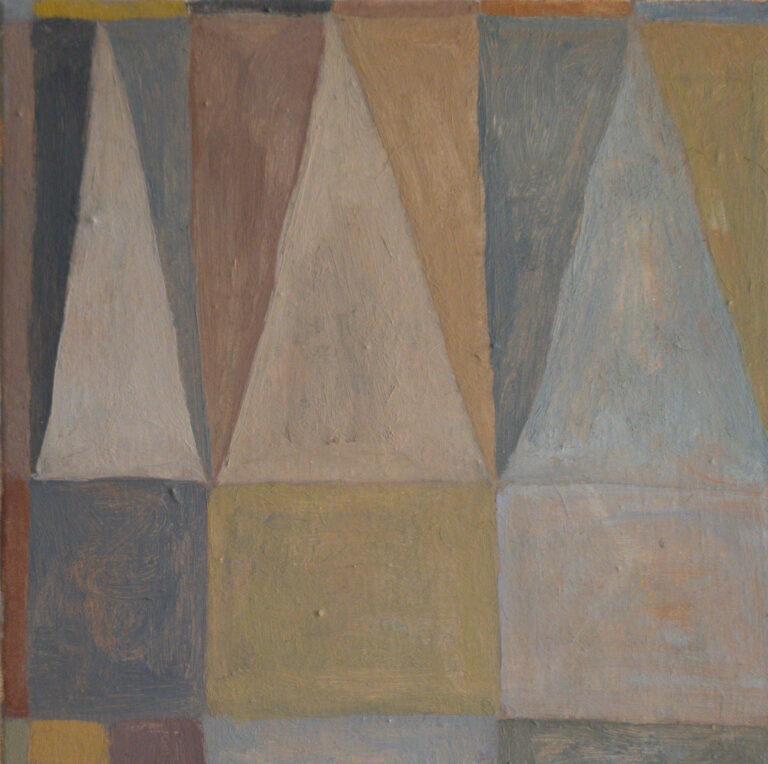
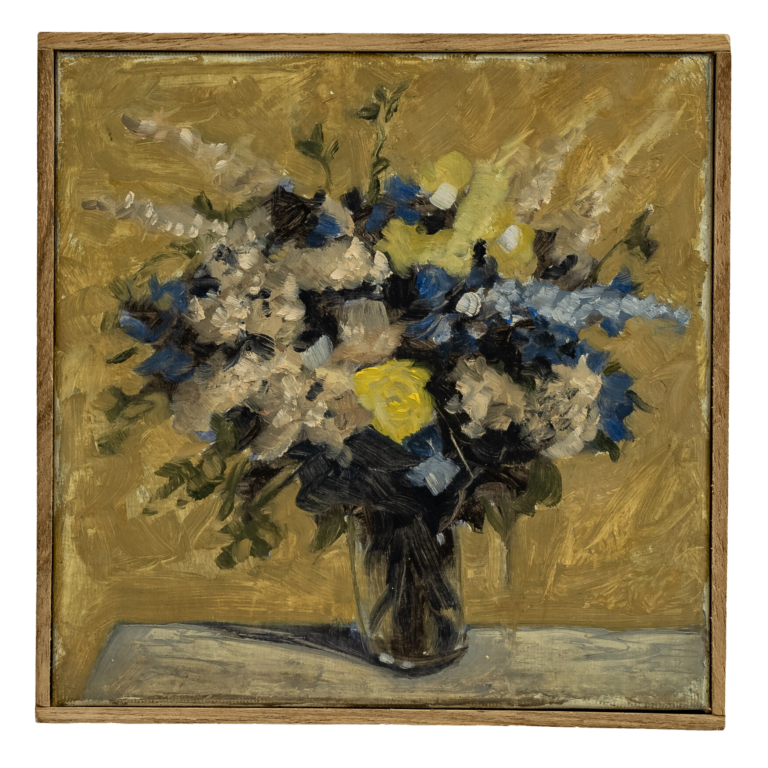
With his feet firmly planted in the tradition of painterly research (having studied under the guidance of Paulo Pasta), Rubly moves freely between different subjects, testing the possibilities of paint and brushstrokes. His landscapes open up the pictorial space, accommodating broad panoramic views and the ambiguities of nature, with light concentrated on the water’s surface in lakes, leaving trees and shrubs in shadow — creating a contrasting play of light and dark. In the series of flower vases, he narrows the focus onto the vase while opening up an infinite space in the background, which ultimately becomes significant in itself, creating a play of relationships between foreground and background. In this group of paintings, the light is diffuse and uniform, emanating from the surroundings and illuminating the space evenly. In his abstract paintings, he explores the relationships between colors and forms more freely, evoking both expansive fields (landscapes) and smaller fragments (flower vases).
Viewers must position themselves before these unusual paintings, generally small in scale, and may recognize scenes or details from films that have remained in their memory, particularly American suspense films from the mid-twentieth century. Alternatively, in keeping with the paintings’ small format, viewers may seek references in a comic book illustrated in dark colors and bordering on science fiction. Both the films and the comics that come to mind brush against dystopia. Lucas’s paintings evoke places from the past where harmony once prevailed, but which have undergone changes and losses. The artist paints a sense of “absence.”
Hence the tragic dimension present in these works, which are permeated by a sensation of enchantment and awe.
Rubly produces paintings that invite us to seek out other places, new references, and unusual sensations — beyond everyday life. Burnt-out houses, or houses that have absorbed all light like black holes. Trees that grew naturally but appear to have been genetically modified. Placid lakes in landscapes, mirrors of doubles, that become traps, disrupting both the natural order and the viewer’s gaze. Flowers with tortuous contours or unexpected colors that depart from what is anticipated.
Moreover, to produce his paintings and achieve this reflective effect, Rubly relies on a reductive process: the light emanating from the painted surface is gentle, creating an atmosphere close to dusk; the colors are restrained, without strong contrasts, revolving primarily around the difficult green and the sober brown; the things depicted appear ordinary.
Lucas’s works belong to the realm of slowness, as they stand in opposition to the profusion of images and the accelerated pace of the Society of the Spectacle and the Network Society — defining features of our turbulent contemporary world.
All this results in paintings of restrained beauty that call for a gaze accompanied by silence. Paintings that enchant, even in their strangeness.